Multi-tenant Core
Tenant isolation, workspace structure and data boundaries.
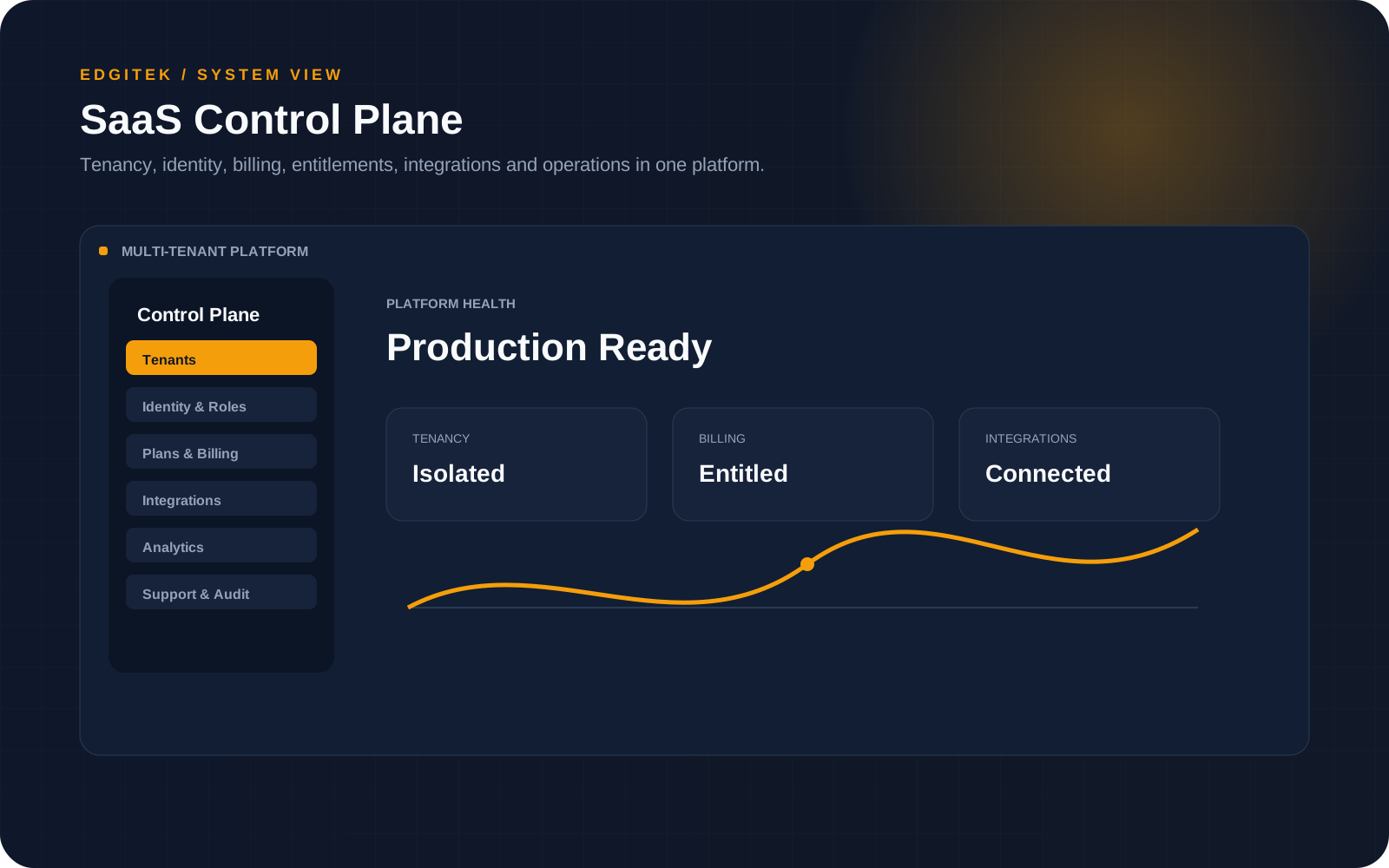
A scalable SaaS platform needs tenancy, identity, permissions, billing, integrations, product operations and deployment designed into the architecture from the beginning.
We design the commercial and operational platform layers alongside the user experience.
Tenant isolation, workspace structure and data boundaries.
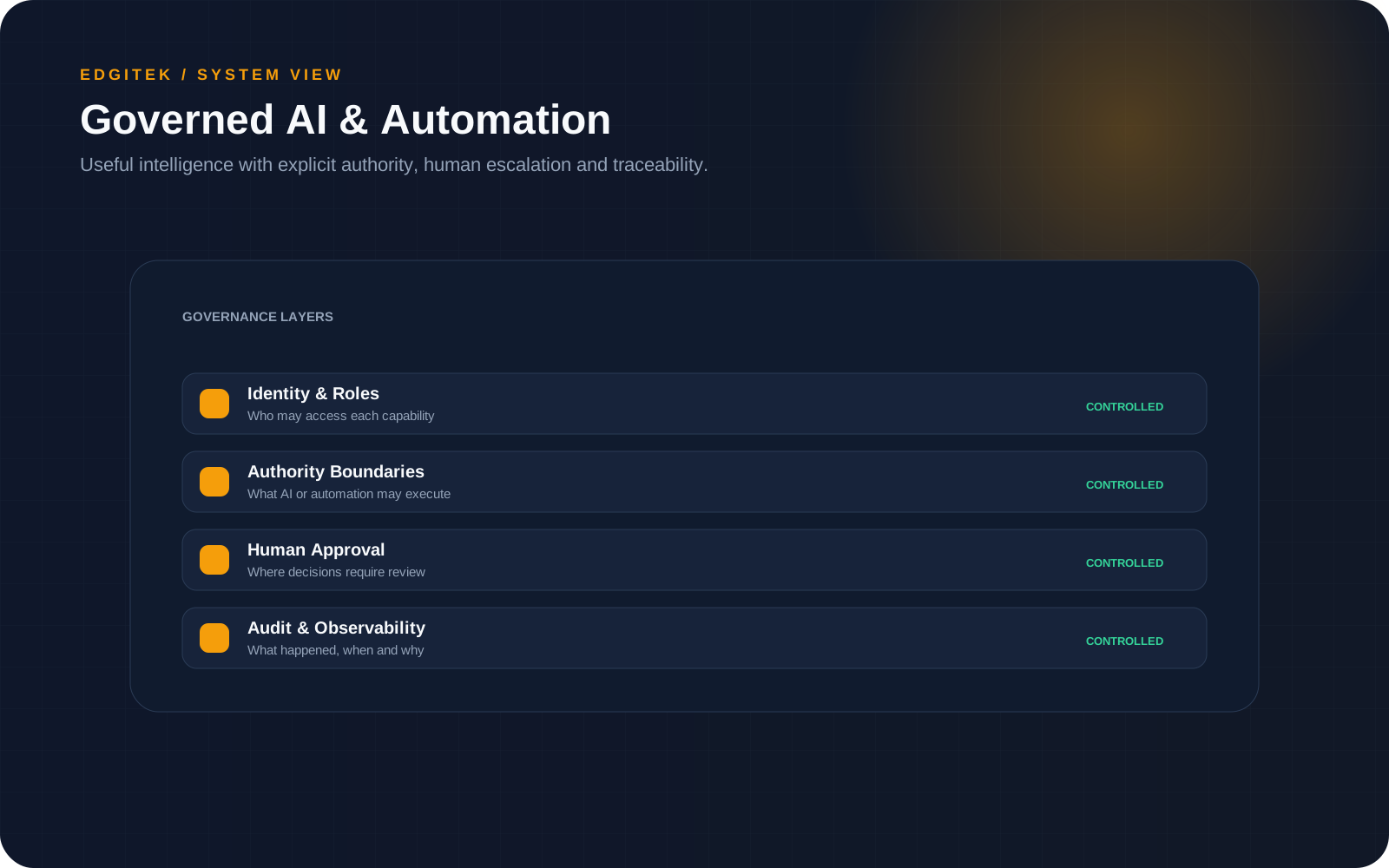
Authentication, verification, invitations, staff and granular permissions.
Subscriptions, trials, add-ons, invoices and billing lifecycle.
Control which product capabilities each plan or account may use.
Platform owner operations, support and account management.
OAuth, webhooks, payments and external provider connectors.
Usage, operational and commercial insight.
Transactional email and product event communication.
Observability, backups, releases, incidents and continuous improvement.
The architecture must support both the end user and the team operating the SaaS business.
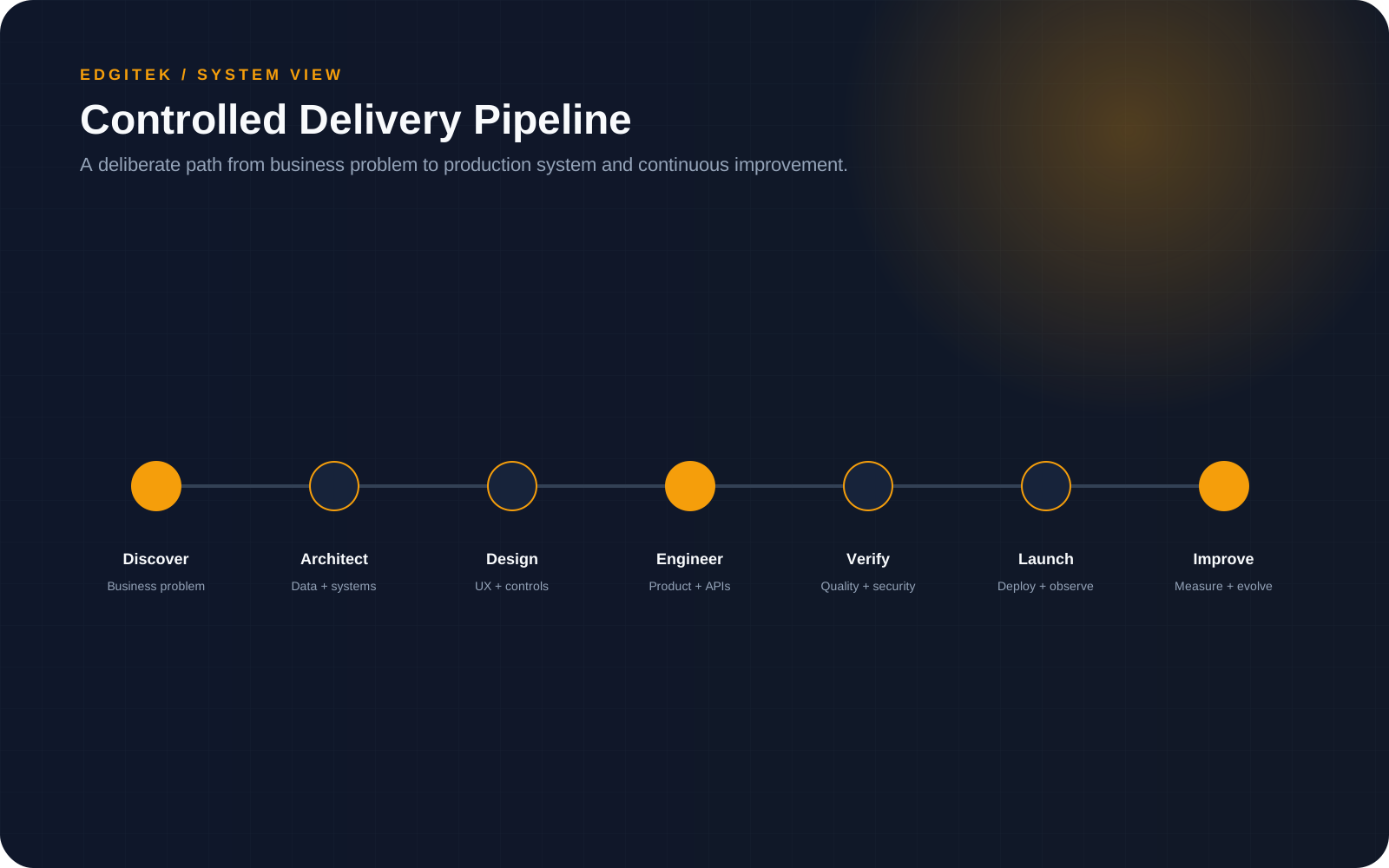
Commercial model and architecture develop together.
Users, jobs, plans and core workflows.
Data boundaries, tenancy and identity model.
User journeys, admin and operational interfaces.
Application, APIs, billing and integrations.
Security, permissions, billing and lifecycle testing.
Deployment, support, analytics and continuous releases.
Important platform decisions before building.
Yes. The platform can be designed around tenant isolation, roles, subscriptions, integrations and product operations.
Yes. Entitlements and account-level overrides can be part of the platform design.
Yes, when a shared identity architecture is appropriate, while product entitlements can remain separate.
Platform-level provider credentials can be centralized while customer authorizations remain isolated per account or product.
Yes. Deployment architecture, observability, backups and controlled releases can be included.
Tell us what needs to improve, connect or scale. We will start with the business problem and recommend the right product and technical approach.